


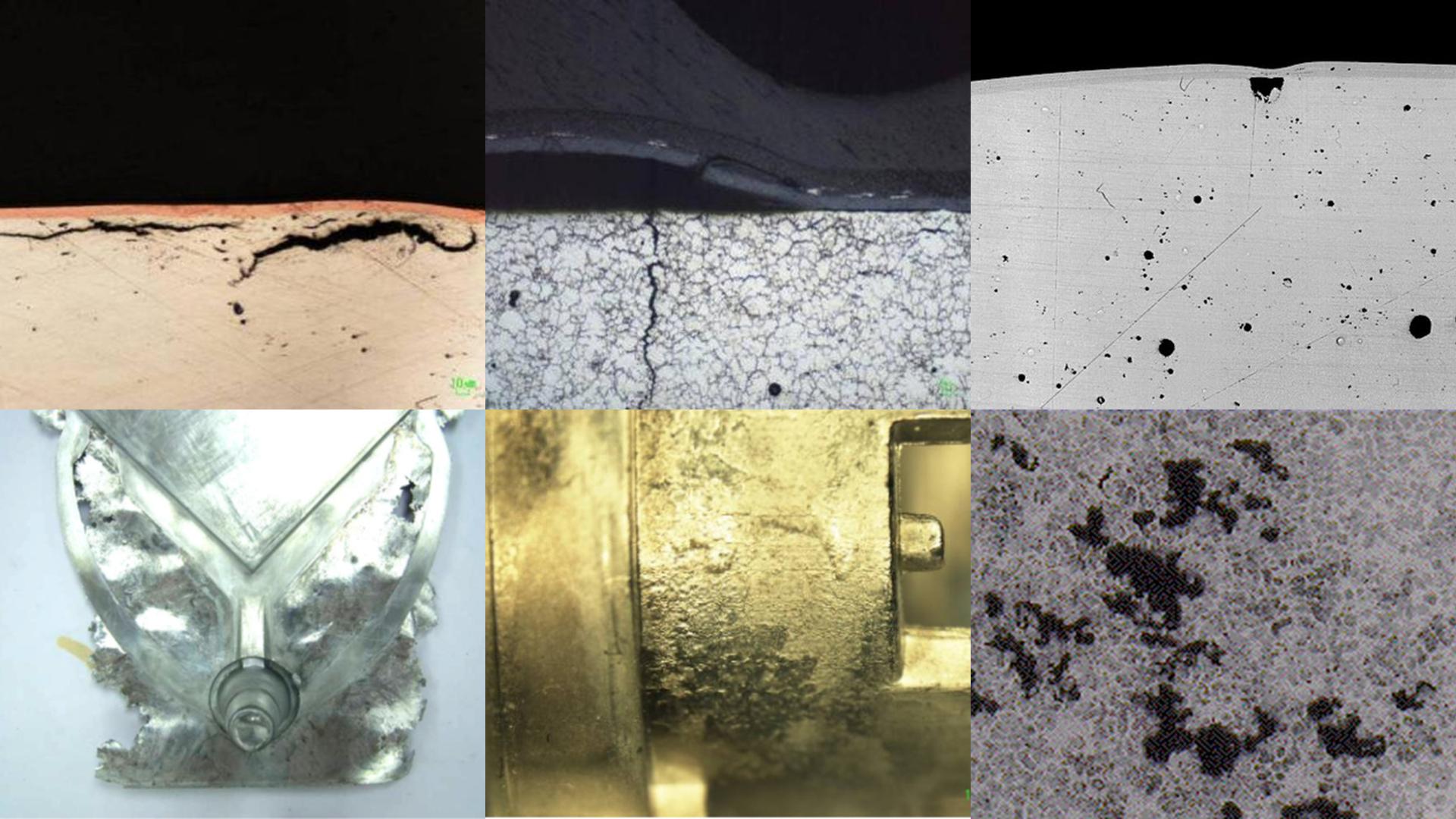
Die casting is a highly efficient manufacturing process known for producing complex metal parts with excellent precision. However, like all production methods, it is not immune to defects. These imperfections—ranging from surface blemishes to structural weaknesses—can compromise the quality, performance, and cost-efficiency of the final product. In sectors such as automotive, construction, and medical, where component reliability is critical, recognizing and addressing these flaws is essential. This article explores the most common die casting defects, their root causes, and effective strategies for prevention and resolution.
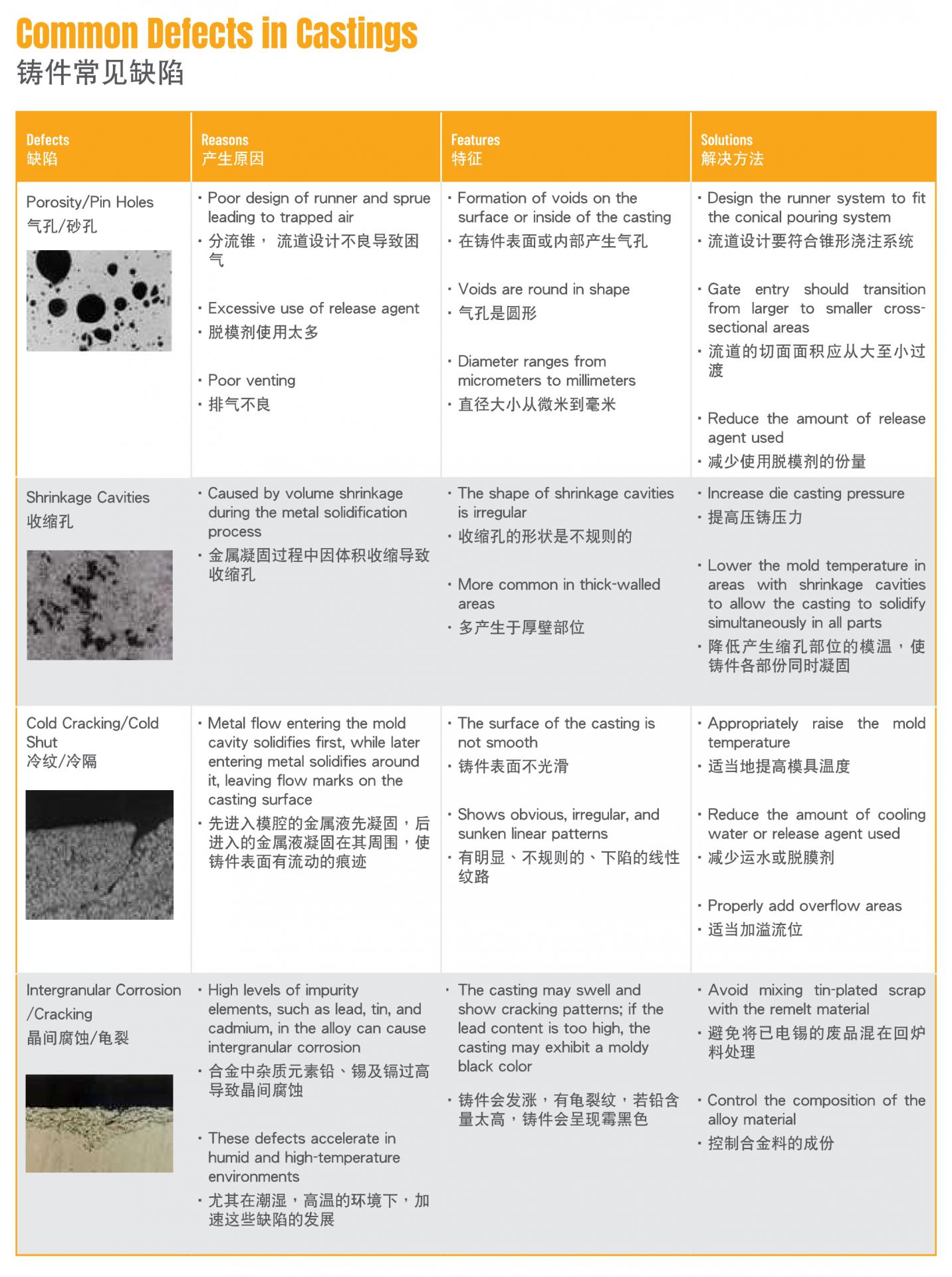
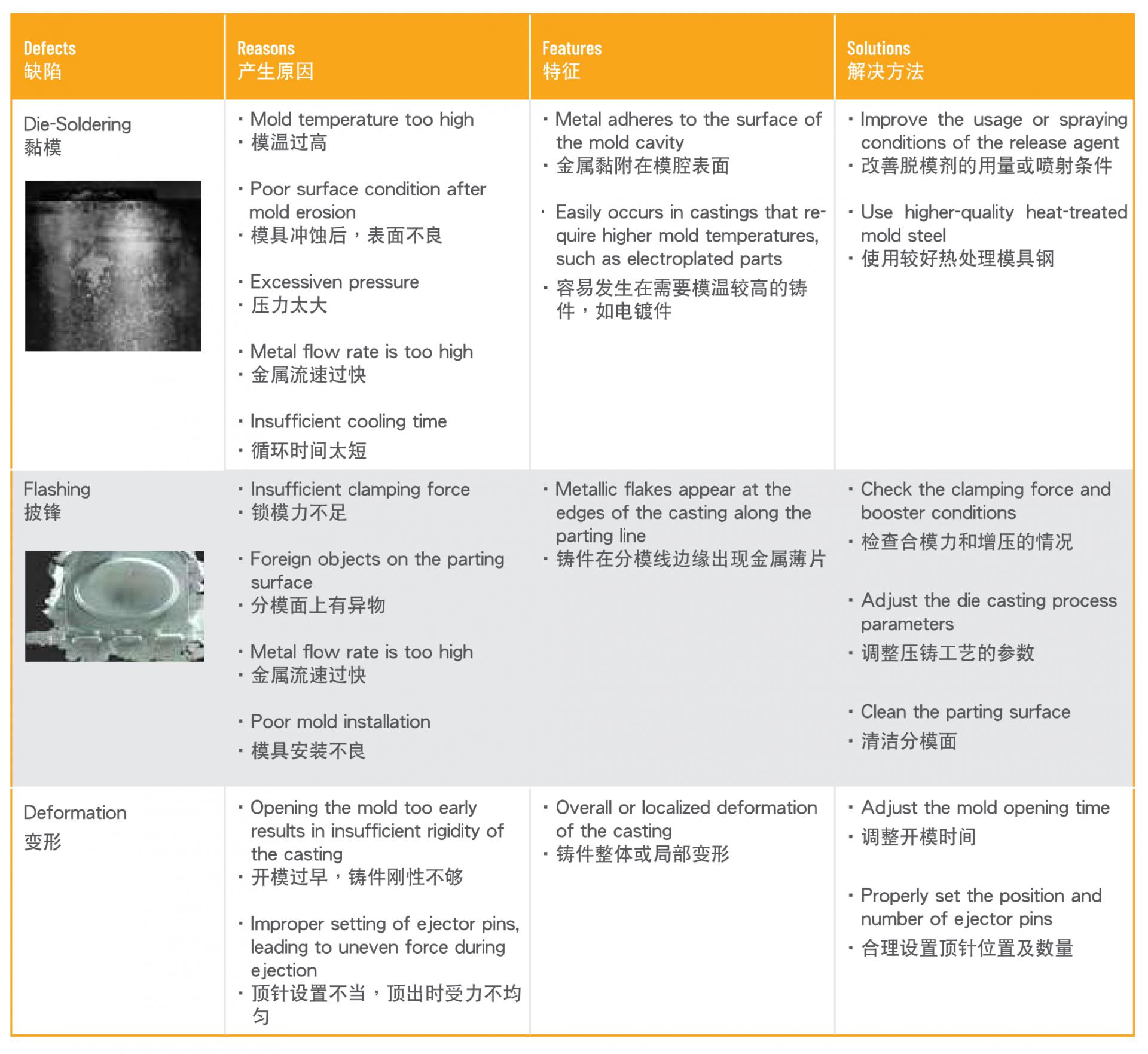
Understanding and resolving common defects is fundamental to achieving efficient, high-quality die casting. By thoroughly investigating the root causes of issues such as porosity, cold shuts, shrinkage, cracking, die soldering, flashing, and deformation, manufacturers can implement targeted preventive measures. Optimizing gate design, precisely controlling cooling rates, regulating metal temperatures, and maintaining die integrity are critical strategies for enhancing both quality and cost-effectiveness. Adopting these best practices not only improves final product performance but also minimizes waste and reduces production costs, leading to a more reliable and sustainable manufacturing process.